Home / Catalog / Squab for Restaurants
The Signature — For Restaurants
Squab, for restaurants that sign their name to it
Squab is never an accident on a menu. It is chosen — for the table that orders it deliberately and the kitchen that cooks it precisely. This page is for the restaurants that make that choice.
The line is pigeon (squab), listed in the collection: halal, a product of France, whole. The specification matters at this level — a named line, a stated origin, a consistent bird, presented to the kitchen in the condition a signature dish requires.
Squab eats like no other bird on the range: dark, fine-grained, closer to a game meat than to poultry, and portioned by nature at one bird per plate. The restaurants that carry it do not need that explained. They need the supply of it to be as considered as the dish.
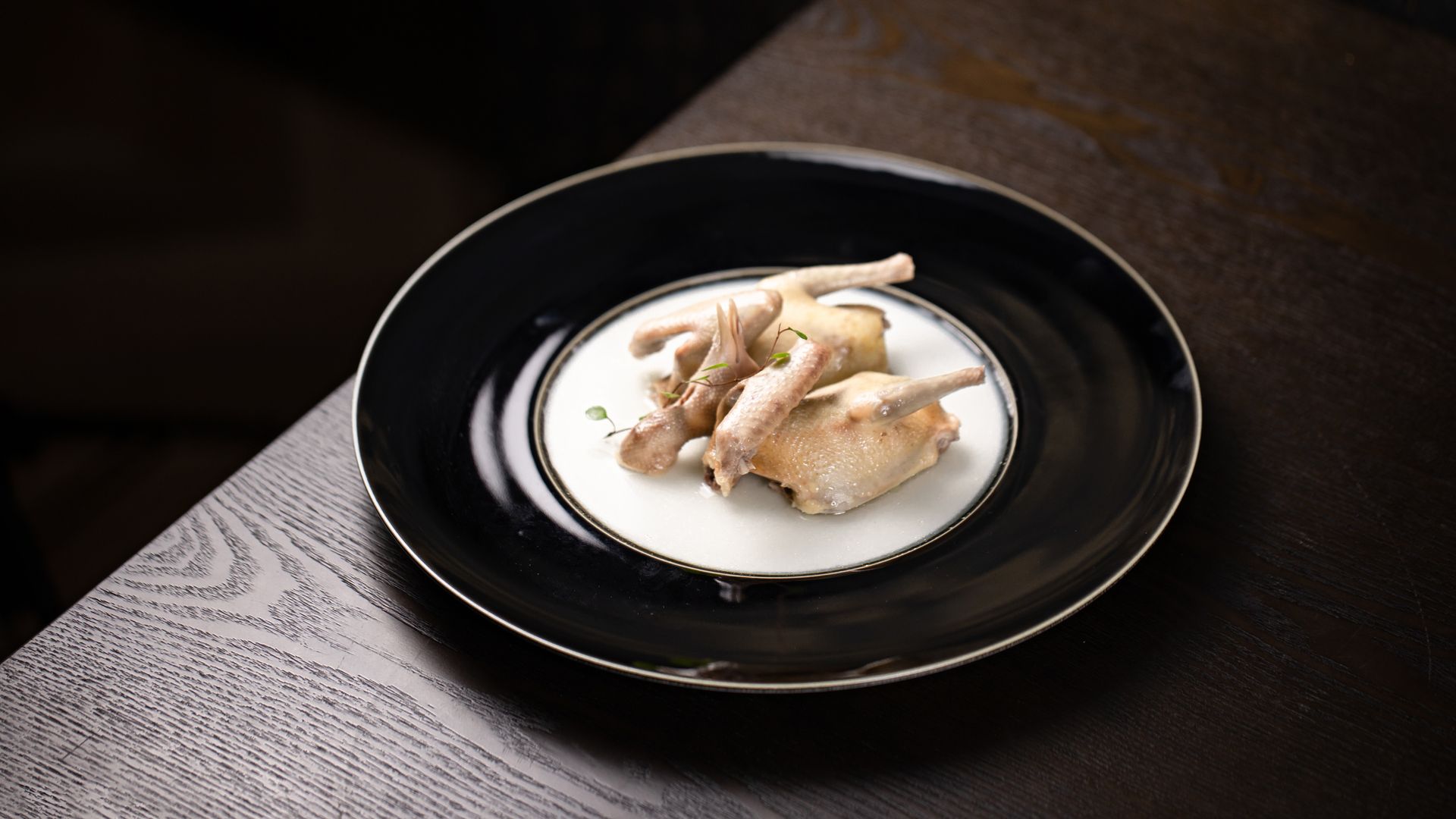
Fine dining rooms carry squab as a standing signature or a recurring special — a dish regulars return for. Hotel restaurants carry it for the menu depth it signals. Private dining and chef's-counter formats carry it because one bird, cooked precisely, is a complete statement at small covers. Programs often pair squab with the semi-boneless quail — the two birds anchor a game section at two weights and two price points. Both are quoted together, in one enquiry, as a matter of course.
Enquire on the squab line
Name the formats and the shape of the volume. The reply is written, specific, and from a person.
Make an EnquiryWhat is the exact squab specification?
Pigeon (squab): halal, product of France, listed whole. It is the line in the collection, and the specification an enquiry is quoted against.
Why do restaurants portion squab one bird per plate?
It is the bird's natural portion — a single squab is a composed serving, which is why it suits signature and tasting formats.
Can squab be enquired on with quail?
Yes. Squab and the quail range — semi-boneless for composed plates, Super Magnum for centerpiece service — are enquired on together in most fine dining programs.